
How to Manage Debt
Following the severe economic impact that the pandemic has had on businesses and households, an increasing number of people have found themselves facing debt. Given its negative connotations, it is often tempting to ignore debt; however, the only way that such a situation can be resolved is through acknowledgement and acceptance.
Although it can often feel like your debt is insurmountable, the process of paying it off is all about taking small, positive steps. This blog will outline actions you can take that will help you manage your debt, no matter how big or small.
Work Out How Much You Owe
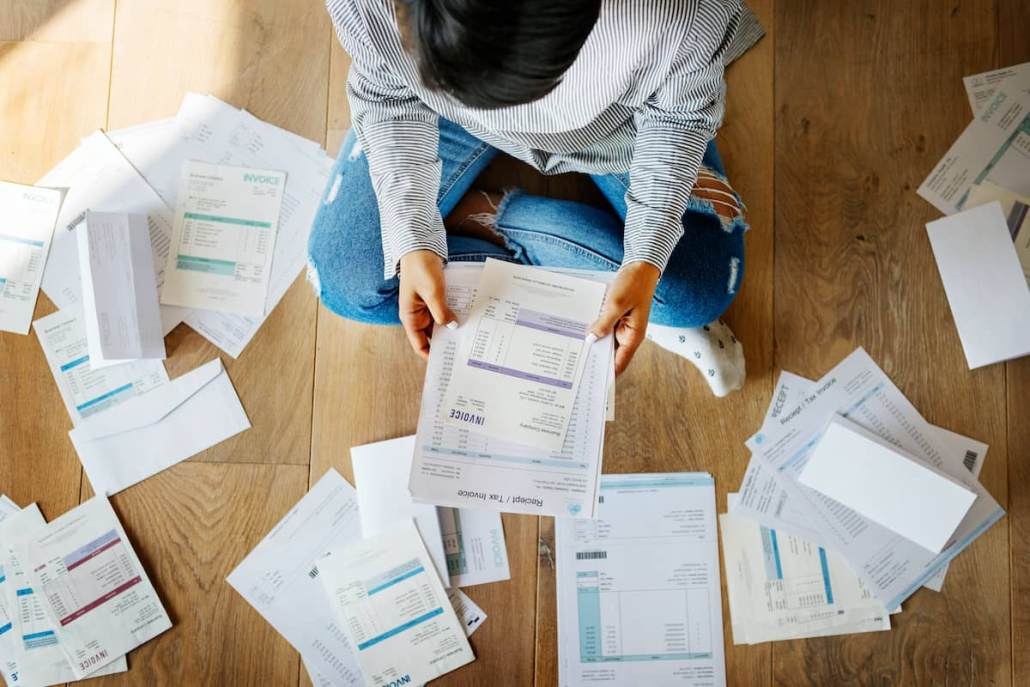
Facing the financial facts of your situation is the first step to managing your debt. In order to determine how much you owe, we recommend writing down a list of your debts and then calculating the total amount of debt owed.
At this stage, it may also be helpful to calculate your debt-to-income ratio (DTI). This figure is simply all your monthly debt payments divided by your gross monthly income. Clearly, the lower the number, the better. Keeping track of the figure should give you a better understanding of your finances.
Decide Which Debt Repayments Have Priority
Once you have assessed how serious your situation is, it is important to then identify what payments in your list are the most important. Putting them in order of what could produce the most serious consequence will help you decide which debt to pay off first.
Topping your list should be any debts affecting your home, including unpaid rent, bills, or council tax. Meanwhile, overdrafts and money owed on credit cards should perhaps appear further down the list. However, others suggest that your list of priorities should be topped by the ones with the highest rates of interest. As credit cards typically have higher interest rates than other debts, you would not be wrong to consider paying them off first. The main thing is that you have a plan in place.
Work Out a Budget
Once you are on top of how much you owe and you have ranked and prioritised your debts, you should decide on a budget plan. Work out where your money goes each month and figure out what is left over after major bills have been paid off. This will allow you to know how much you can towards your debt repayments each month.
Make at Least the Minimum Payment
Even if you cannot afford pay anything more, it is important to make at least the minimum payment. As this act does not help you make any real progress, people often avoid doing it; however, making these small payments will ensure that you avoid late fees. Once you start missing payments consistently and these late fees pile up, it can make getting out of debt even more difficult. This is why you also need to ensure that you make each of your monthly payments on time.
Notably, you should only pay as much as you can afford. When you only have limited funds to make debt repayments, ensure that your other accounts are in good standing and you are not sacrificing positive accounts for those that have already impacted your credit. Only pay those past due accounts when it is possible for you do so.
Seek Advice
If you feel like you are unable to manage your debts or you are unsure about the best way to do so, you must seek professional advice. Recognising that you need help in the first place is the most important step in the process of repaying debts.
If you are worried about possible insolvency or need a bankruptcy annulment, contact Asset Solutions today on 0800 689 3861. Our experienced team members provide unrivalled assistance to individuals throughout the entire insolvency process and help to stop bankruptcy.
We understand that anyone facing problem debt is likely to feel overwhelmed and intimidated. That’s why we’re here to support you throughout the process and help you achieve the best results possible for your situation. Contact us today for more information.


