
Our Top Tips for Sticking to Your Debt Payoff Plan
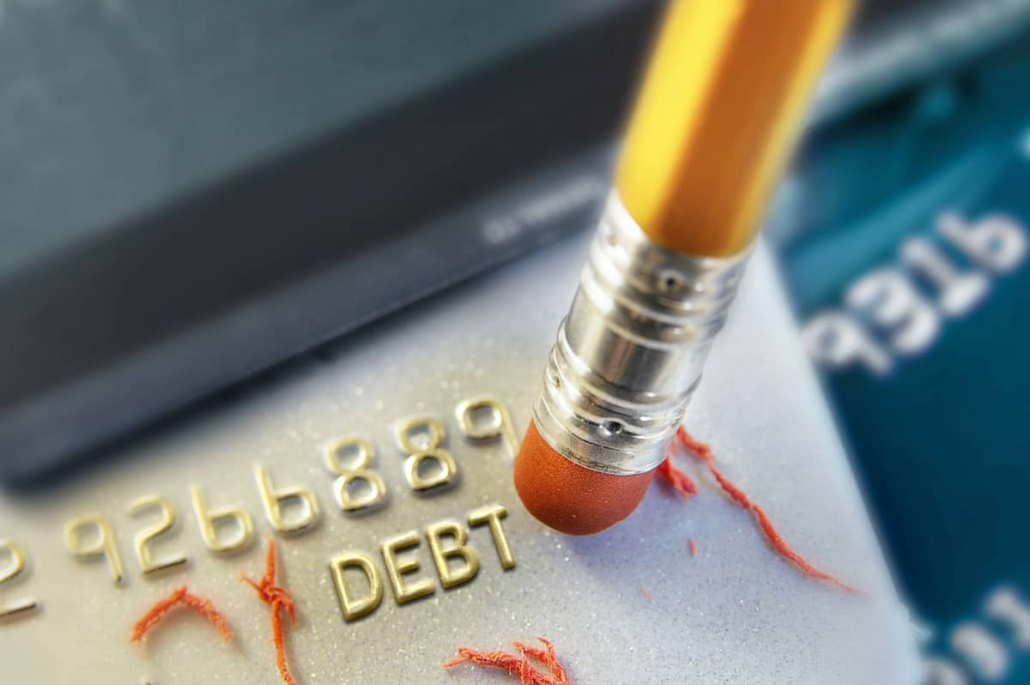
When you are facing a large amount of debt, a debt payoff plan will help you manage your debt and move towards a debt-free future. However, simply having a debt plan in place will not solve all your problems; instead, you will have to stick to it.
What Is a Debt Payoff Plan?
A debt payoff plan takes a thorough look at all the debt that you owe, before organising it into a structured payment plan which aims to pay it all off. It will typically involve listing all your debts, prioritising them, and then working out a realistic budget. Follow this link for more information on how to create a debt payoff plan.
Types of Debt Payoff Plan
- A Debt Snowball is when you pay off your smallest debts first before moving on to bigger ones. Once you have completely paid off your smallest debt, you will then start paying towards the next smallest debt (whilst paying the minimum on all the others).
- A Debt Avalanche involves making minimum payments on all your outstanding accounts, then putting as much extra money as you can towards the debt with the highest interest rate.
- A Debt Management Plan (DMP) is an agreement that you make with your creditor to address the terms of outstanding debt. Typically, you will be able to pay your debt off at a more affordable rate by making reduced monthly payments.
Importantly, these are not the only way you can go about paying off debt, they are simply frameworks that you can follow. Whichever one you decide on, here are our top tips for sticking to your debt payoff plan:
Make a Realistic Plan
There is no point in making a debt payoff plan that is unrealistic; it will simply play with your own expectations of how long it will take you to pay off your debt. For instance, if you have underestimated the amount of time it will take, you may be less likely to stick to it.
Track Your Payment Progress
This is often a key motivator for those who are trying to stick to a debt payoff plan. It gives you tangible evidence that you are making progress on what often seems like an overwhelming journey. When you see that your balances are going down with each monthly payment, it is also important that you allow yourself to celebrate these mini victories.
Stick to a Predetermined Budget
Alongside the amount required for debt payments, you will need to make sure your debt payoff plan factors in a monthly budget that includes the money you need for necessities, such as food and rent. Refer back to this budget throughout the month to ensure that you are staying on course, as overspending could lead to an inability to pay for necessities.
Make Extra Payments When You Can
Whilst it is important to stick to a predetermined budget if you find that you can pay more, do so. For example, if you receive a bonus or a tax refund, do not just put it towards your daily life and use it to “treat” yourself. Rather, make sure you put all or some of it towards paying off your debts. Remember, this money was not part of your predetermined budget, and so it is money that you can go without.
Seek Expert Advice
If you are worried about debt, bankruptcy or possible insolvency, contact Asset Solutions today on 0800 689 3861. Our experienced team members provide unrivalled assistance to individuals throughout the entire insolvency process and help to stop bankruptcy.
We understand that anyone facing problem debt is likely to feel overwhelmed and intimidated. That’s why we’re here to support you throughout the process and help you achieve the best results possible for your situation. Contact us today for more information.


